Cheetah coalitions are permanent social groups, typically made up of two to three brothers, and usually formed after young males separate from their mothers. Living and hunting together offers real survival advantages: coalitions can bring down larger prey and hunt more successfully than a solitary male, hold and defend a territory for far longer, and stand a better chance against larger predators.
When it comes to collaring, one representative from a coalition is generally sufficient, since members remain in close association and can be tracked as a group once one carries a collar.
This approach means fewer individuals need to be darted overall, reducing the cumulative risk to the group, keeping the cost of an already resource-intensive process down, and still delivering the monitoring data needed to manage the population effectively.
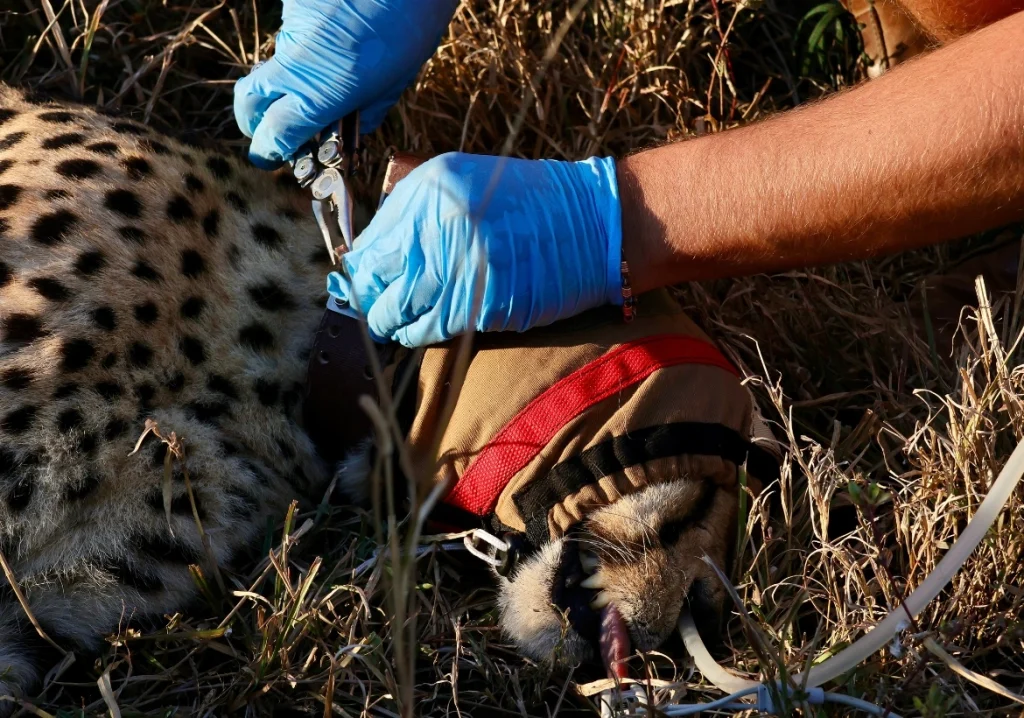
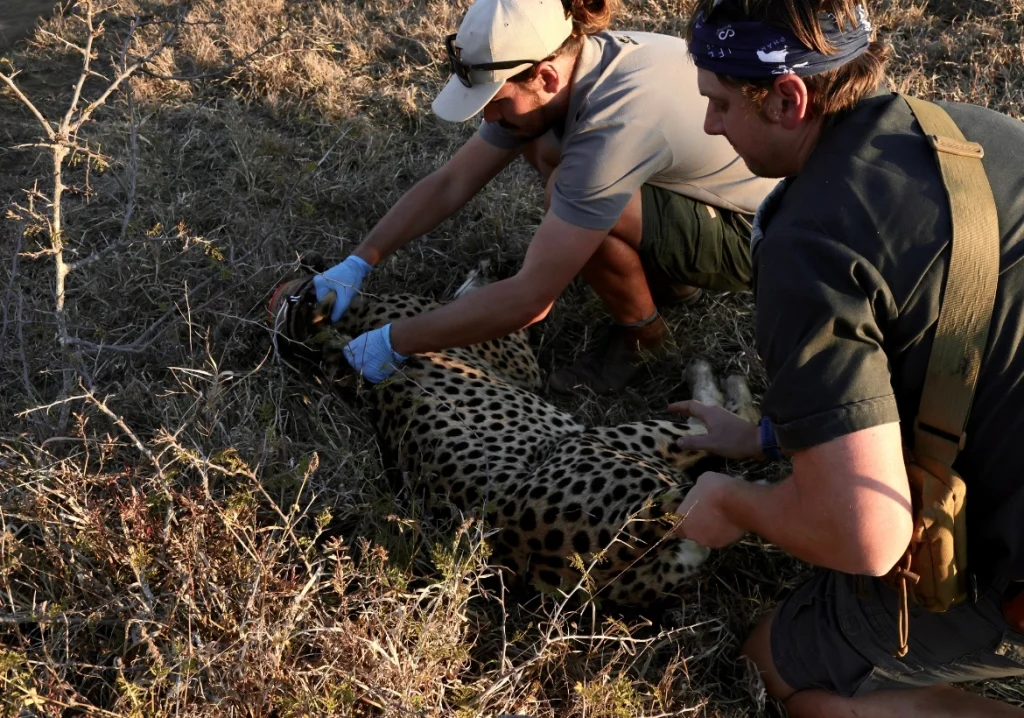
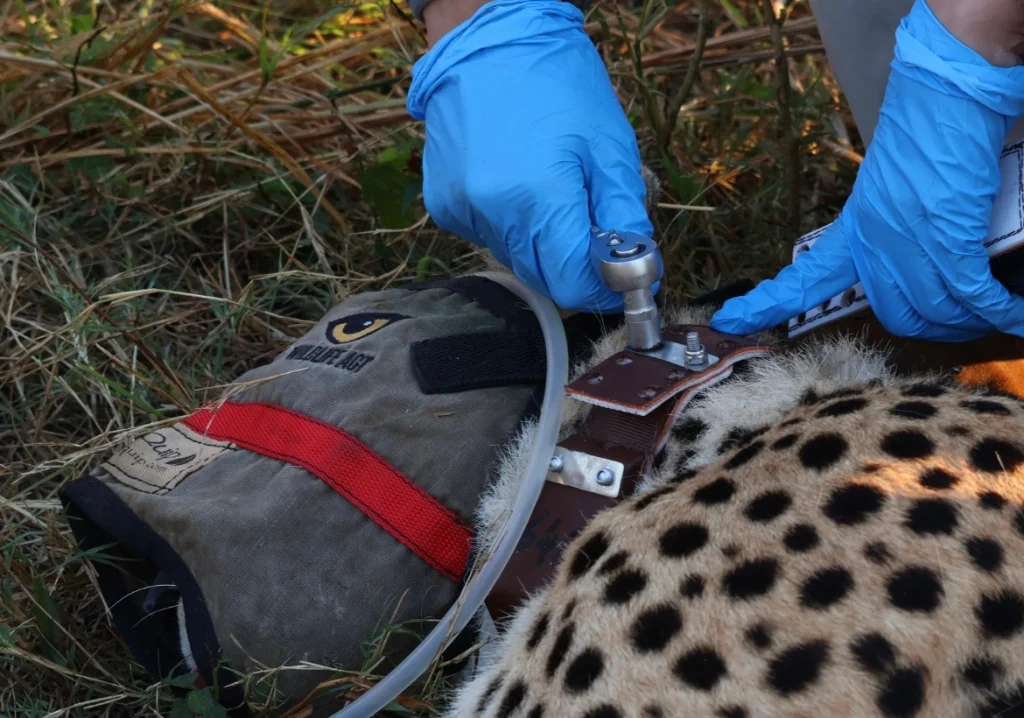
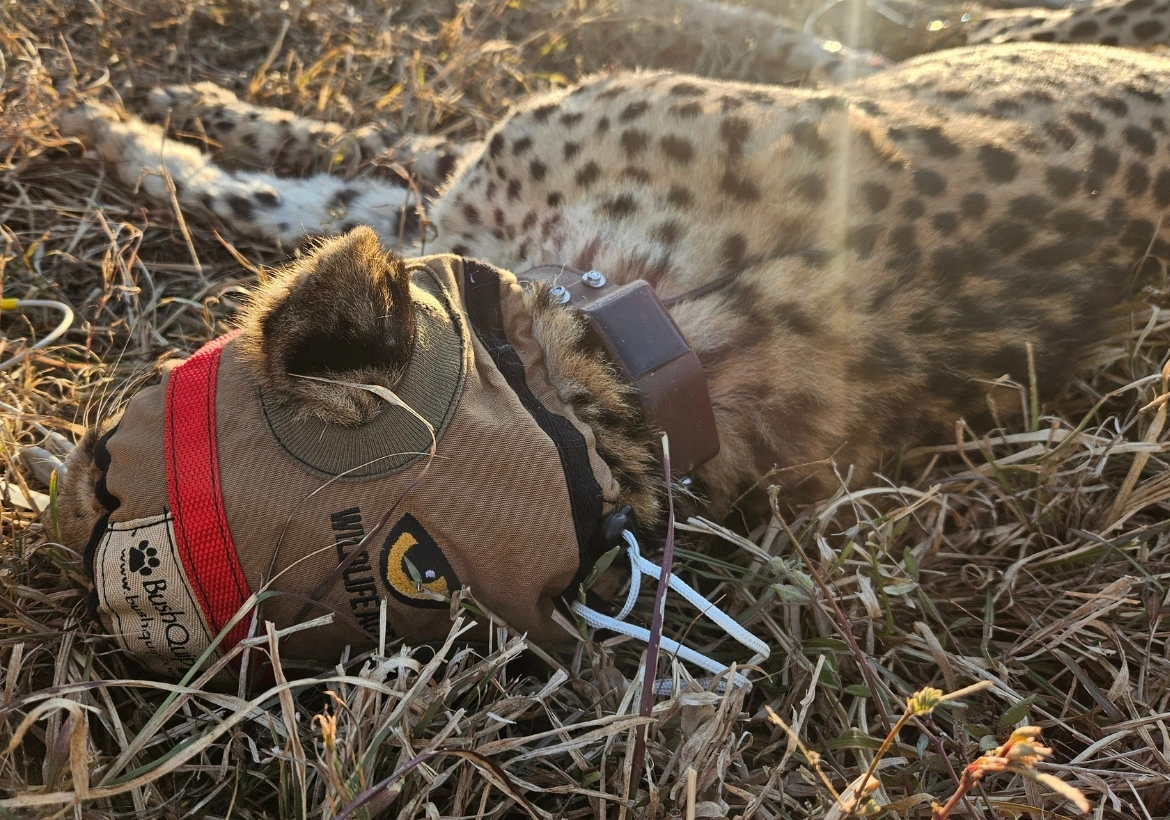
During the recent collaring operation in Hluhluwe-iMfolozi Park, a young male was collared as part of a coalition with his brothers, extending Wildlife ACT’s monitoring network to another social group within the park.
Photos: Wildlife ACT